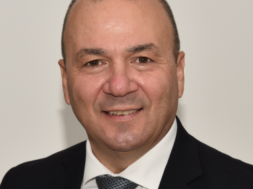


By George Chehwane, Plus Properties
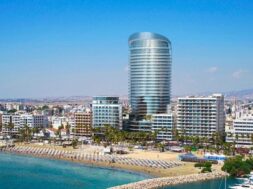
Cyprus remains one of the most attractive places in the region to live and to invest. I believe in this market, and our work across the island is the proof of that belief.
A strong market still needs care. For a year and a half I have been pointing to a few issues that deserve attention. I raise them today in a constructive spirit, because an honest picture serves everyone: buyers, developers, banks and the state.
Cyprus is still a country people choose
Let me start with what is strong. Cyprus continues to attract investors and families who want to live here, and for good reasons. The country is safe. The tax system is competitive. Property prices are still affordable compared with other European destinations. And we have something that cannot be built or imported: our weather.
There is more to come. Cyprus expects to join the Schengen area in 2027, subject to European approval, which would make the island even more attractive to residents and investors from outside the EU.
This is why we believe in Cyprus, and why Plus Properties has reached more than 140 buildings across the island. The positive factors are many and they are real. But they will only deliver their full value if the issues below are taken seriously.
Supply is moving faster than demand
More projects are being launched than the market can absorb. Demand is still there, but it is not growing at the speed of construction. When supply runs ahead of demand, sales take longer, margins shrink, and weaker projects struggle to reach completion.
This is not a crisis. It is a correction that the sector must prepare for, rather than discover too late.
Delays that cost everyone
Part of the pressure comes from the administrative side. A building permit can take up to two years to be issued. When a building is finished, the electricity connection can take six months. Title deeds are the most serious case: some take four or five years, and sometimes more. The departments involved do not have enough staff to keep up with the volume of work.
Every month of delay has a price. The developer carries higher financing costs, the buyer waits longer for a home or a title deed, and the state collects its revenue later. I say this with respect for the people working in these departments. They need more resources, not more criticism.
Labour is becoming scarce and expensive
Construction depends on skilled hands. Many Syrian workers are leaving the country, and bringing in new foreign labour remains very difficult. The procedures are complicated and slow. The result is a shortage on site and a sharp rise in the cost of building.
Higher construction cost reaches the buyer in the end. The procedures for bringing in foreign labour should be much faster and much simpler. That would protect both the sector and the affordability of housing.
New developers, little data
Many new developers have entered the market in recent years. New players are welcome; competition is healthy. The concern is that many of them build on optimism rather than on information.
Cyprus does not yet offer enough reliable statistics on where demand is, who the buyers are, and how many units each area can absorb. Without that data, projects are launched in the hope that they will sell. When they do not, the effect is felt by the whole market, not only by the developer who took the risk.
Land prices have run ahead of the market
Land prices have risen sharply, and it would be unfair to blame land owners for it. They raised their prices because they found buyers. Some new developers, without real knowledge of the market, were ready to pay whatever was asked.
That period is ending. As developers become more careful, land owners will find fewer buyers at these levels. Plot prices have reached a point that the final sale price of an apartment can no longer support, and a return to realistic values would help good projects move forward.
How we are responding at Plus Properties
My advice to the sector is simple: be cautious. At Plus Properties we now study every project separately, on its own location, its own buyers and its own numbers. We no longer assume that what sold yesterday will sell tomorrow.
We are also opening new markets to reach new clients, so that we do not depend on a single source of demand. Caution is not pessimism. It is how a company stays strong through every cycle.
The way forward
For buyers and investors, the message is clear: choose your developer carefully. Work with a strong developer, one with a track record of delivered buildings, sound finances and the ability to complete what it starts. In a slower market, the name behind the project matters more than the price on the brochure.
For the government, I offer this as a partner, not a critic. Three steps would make a real difference:
- Faster permits, with more staff at the Land Registry and the electricity authority
- Faster and simpler procedures for bringing in the foreign labour the sector needs
- Regular, public data on supply and demand, so that every developer can decide on facts
The real estate development sector will not be at its healthiest in the coming period. With realism from developers and land owners, and with support from the state, Cyprus can pass through it and come out stronger.